
A Beginner’s Guide to Residential EV Charger Installation
As electric vehicles (EVs) become increasingly popular, many homeowners are considering installing residential EV chargers to conveniently power their cars at home. Installing an EV charger at your residence not only offers the convenience of charging your vehicle overnight but also helps reduce dependence on public charging stations. If you are new to the concept of EV charger installation, this beginner’s guide will walk you through the essential steps and considerations to ensure a smooth process.
Before diving into installation, determine what type of charger suits your needs. Residential EV chargers typically range from Level 1 chargers, which use a standard 120-volt outlet and provide slower charging, to Level 2 chargers that require a 240-volt outlet and deliver faster charging speeds. Most EV owners opt for Level 2 chargers due to their efficiency and convenience for daily use. Assess your vehicle’s charging capabilities, your daily driving habits, and your home’s electrical capacity to choose the right charger.
EV Charger Installation Colorado Springs
A critical step in the installation process is evaluating your home’s existing electrical system. Residential EV chargers, especially Level 2, demand a dedicated circuit with adequate amperage. It is advisable to hire a licensed electrician to inspect your electrical panel and determine whether upgrades are necessary. In some cases, older homes may require panel upgrades or additional wiring to support the charger safely.
Choose a charger that is compatible with your EV model and offers features that meet your preferences, such as smart connectivity or weather resistance for outdoor installation. The location of the charger should be convenient for explore further parking and protected from extreme weather if possible. Many homeowners install chargers in the garage or on an exterior wall near their parking spot. Ensure the charger is installed at a height and position that allows easy cable management.
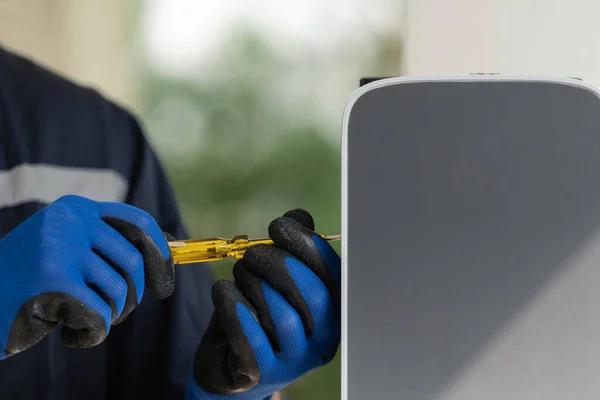
Professional installation is highly recommended to ensure safety and compliance with local electrical codes. In many areas, you may need to obtain permits before installation, so check with your local municipality or utility company. A certified electrician will handle wiring, connection to the electrical panel, and testing to confirm the charger operates correctly. Some utility companies also offer incentives or rebates for residential EV charger installations, so inquire about available programs.
Once installed, maintaining your residential EV charger is straightforward. Regularly inspect the charger and cables for any signs of wear or damage. Keep the charging port clean and dry to prevent connectivity issues. Make it a habit to plug in your EV after each use to keep the battery charged and prolong its lifespan. With the right setup, your home EV charger can provide reliable, efficient charging for years to come.
Installing a residential EV charger is a practical and environmentally friendly investment that enhances your EV ownership experience. By understanding your needs, evaluating your electrical system, selecting the right equipment, and working with professionals, you can enjoy the convenience of charging your electric vehicle at home safely and efficiently.
Z-Electric LLC
Colorado Springs, CO 80925
719-663-8783