
Garage Door Installation Checklist: Don’t Miss These Steps
Installing a garage door is a significant home improvement project that requires careful planning and execution to ensure safety, functionality, and durability. Before beginning the installation process, it is crucial to verify that all necessary materials and tools are on hand. This includes the garage door panels, tracks, rollers, springs, cables, hardware kits, and an appropriate opener if desired. Confirming these components beforehand prevents unnecessary delays during installation.
The first step involves measuring the garage opening accurately. Precise measurements of width, height, and headroom clearance must be taken to select a door that fits perfectly within the space. An ill-fitting door can cause operational issues or compromise security. Once measurements are confirmed and materials are ready, preparing the workspace becomes essential. Clearing out any debris or obstacles ensures a safe environment for installation activities.
Garage Door Installation
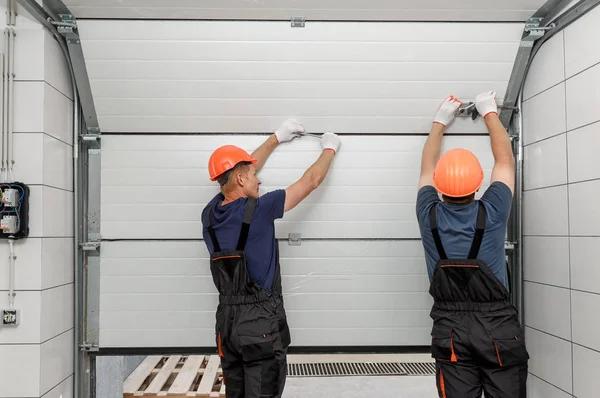
Next comes assembling the bottom section of the garage door by attaching weatherstripping along its edge to prevent drafts and moisture intrusion. It’s important to position this panel correctly at the base of the opening before proceeding with subsequent sections. Each additional panel should be aligned carefully while connecting hinges securely between them for smooth movement.
Attaching vertical tracks on both sides follows assembly of panels; these must be anchored see details here firmly into wall studs using heavy-duty screws or bolts to withstand daily use stresses. After securing vertical tracks, horizontal tracks need proper alignment extending inward toward the ceiling so that rollers glide seamlessly when raising or lowering the door.
Spring systems play a vital role in counterbalancing weight during operation but pose risks if mishandled due to stored tension forces involved. Whether using torsion springs mounted above or extension springs alongside horizontal tracks, professional guidance is recommended unless one has experience working with such mechanisms safely.
After installing springs and cables according to manufacturer instructions while maintaining correct tension levels for balanced lifting force comes testing phase where manual operation helps identify friction points or misalignments requiring adjustment before motorized opener installation occurs.
Finally integrating an automatic opener involves mounting brackets on ceiling joists securely supporting device weight followed by wiring controls including wall-mounted switches as well as remote transmitters programmed appropriately for convenience and security features like auto-reverse sensors ensuring obstacle detection preventing accidents during closing cycles.
Completing these steps thoroughly guarantees reliable performance from your new garage door system while enhancing curb appeal along with property value through improved aesthetics combined with functional efficiency throughout years ahead without frequent repairs needed due diligence during each stage remains key factor in achieving satisfactory results from this home upgrade endeavor.
Superior Overhead Doors
907 Fields Dr, Sanford, NC 27330
919-776-4851