
Getting Professional Advice From a Testosterone Clinic
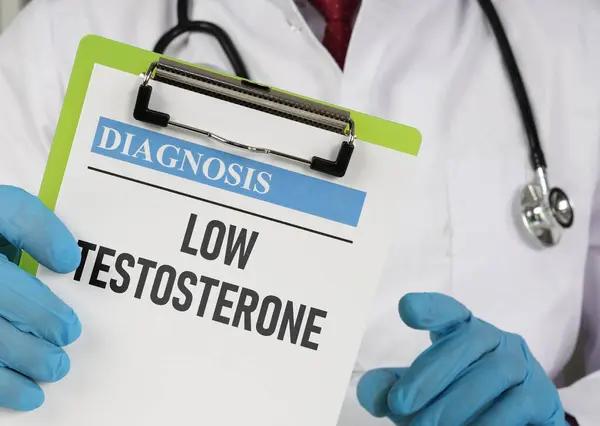
Visiting a testosterone clinic can be an essential step for individuals experiencing symptoms related to low testosterone levels. These clinics specialize in diagnosing and treating hormonal imbalances, providing expert guidance and personalized treatment plans tailored to each individual’s needs. Seeking professional advice from such a clinic ensures that you receive accurate information and effective treatment options, which is crucial in managing the symptoms associated with low testosterone.
Low testosterone levels can lead to various health issues, including fatigue, depression, reduced muscle mass, increased body fat, decreased libido, and cognitive difficulties. Addressing these symptoms with the help of professionals at a specialized clinic can significantly improve one’s quality of life. The medical staff at these clinics typically includes endocrinologists or other healthcare providers who are well-versed in hormone therapies and understand the complexities involved in balancing hormone levels safely.
One of the primary benefits of consulting a testosterone clinic is receiving a comprehensive evaluation of your hormonal health. This often involves detailed blood tests that measure not only testosterone levels but also other factors such as estrogen balance and thyroid function. By obtaining a complete picture of your hormonal status, clinicians can diagnose potential underlying conditions contributing to your symptoms more accurately.
Once an evaluation has been completed, the healthcare team will discuss various treatment options available based on your specific needs. Testosterone replacement therapy (TRT) is commonly recommended for those diagnosed with low testosterone levels; however, it is not suitable for everyone. The specialists will consider several factors before recommending TRT or any alternative treatments—these include age, overall health condition, lifestyle habits like diet and exercise routines—as well as personal preferences regarding administration methods (such as injections versus topical applications).