
Local Precast Concrete Contractor vs Traditional Builders What’s Better
In the realm of construction, choosing the right method and team for a project is crucial to its success. The debate between local precast concrete contractors and traditional builders has been ongoing, with each offering distinct advantages and challenges. Understanding these differences can significantly impact decision-making processes for developers, architects, and homeowners alike.
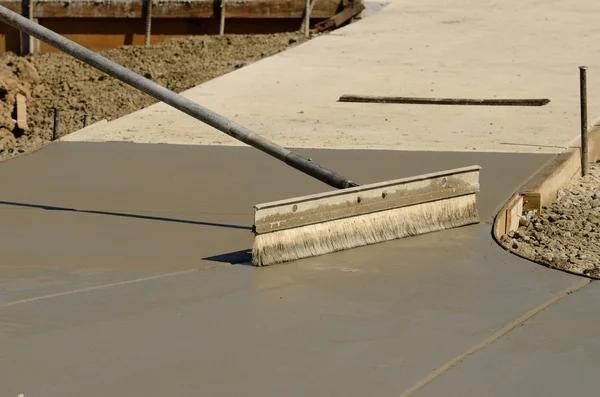
Precast concrete involves casting concrete in a reusable mold or form which is then cured in a controlled environment before being transported to the construction site. This method offers several advantages over traditional on-site pouring methods commonly used by conventional builders. One of the primary benefits of using local precast concrete contractors is efficiency. Since precast components are manufactured off-site, they can be produced concurrently with site preparation activities, reducing overall project timelines. Moreover, this approach minimizes weather-related delays that often plague traditional building methods.
Quality control is another significant advantage offered by precast solutions. By manufacturing components in a controlled factory setting, local precast contractors ensure consistent quality across learn all about it elements of the structure. This consistency reduces variability in material performance and enhances structural integrity compared to on-site pouring where environmental factors can affect quality.
Cost-effectiveness also plays a pivotal role when comparing these two approaches. While initial costs for precast materials might appear higher than traditional methods due to transportation expenses and specialized equipment needs, long-term savings are realized through reduced labor costs and shortened construction durations.
However, it’s important not to overlook some potential drawbacks associated with precast systems. For instance, design flexibility may be limited as custom shapes or modifications require additional time and resources compared to more adaptable on-site techniques employed by traditional builders.
On the other hand, traditional building practices have stood the test of time due largely to their adaptability and familiarity within the industry workforce. Builders who specialize in this approach possess extensive experience handling complex designs directly at job sites without needing intricate planning required by prefabrication processes inherent in precasting operations.
Moreover, sourcing materials locally fosters community engagement while supporting regional economies—a factor many stakeholders value highly during decision-making phases despite potentially longer completion times relative only if unforeseen circumstances arise (e.g., adverse weather conditions).